

Planning to hike the Inca Trail to Machu Picchu requires matching permits, mountain logistics, and physical preparation. This direct resource guides you through the classic 4-day route, seasonal safety, altitude acclimatization, and booking steps to secure your permit before spaces sell out.
The classic 4-day route remains a highly sought-after high-altitude trek for hikers visiting Peru. This path, built by the Incas over 500 years ago, connects various archaeological outposts before entering the sanctuary of Machu Picchu. Hikers travel through cloud forests and high mountain passes, walking the exact stone pathways constructed during the height of the empire. But walking these paths is not simply a physical feat; it requires profound respect for the Andean environment and meticulous planning.
Every year, thousands of people miss out on this experience because they underestimate the strict regulations imposed by the Peruvian Ministry of Culture. This guide breaks down exactly what you need to know to ensure your journey is seamless, safe, and deeply rewarding.
What is the ancient route to Machu Picchu?
The standard route covers a specific distance and elevation profile. Knowing these details assists in setting expectations for daily hiking times and physical demands on the trail.
- Distance: 43 km / 26.7 miles.
- Duration: 4 days, 3 nights (with alternative variations available, such as the Short 2-Day trek).
- Highest altitude: 4,215 m / 13,828 ft at Warmiwañusca (Dead Woman’s Pass).
- Difficulty: Moderate to strenuous.
- Permits: Strictly required. Limited to 500 people per day (including porters and guides).
- Dry season: May to September (ideal trekking conditions).
Understanding these numbers helps you plan the appropriate physical preparation and your packing checklist. Let’s see the trail terrain in the Urubamba valley below.
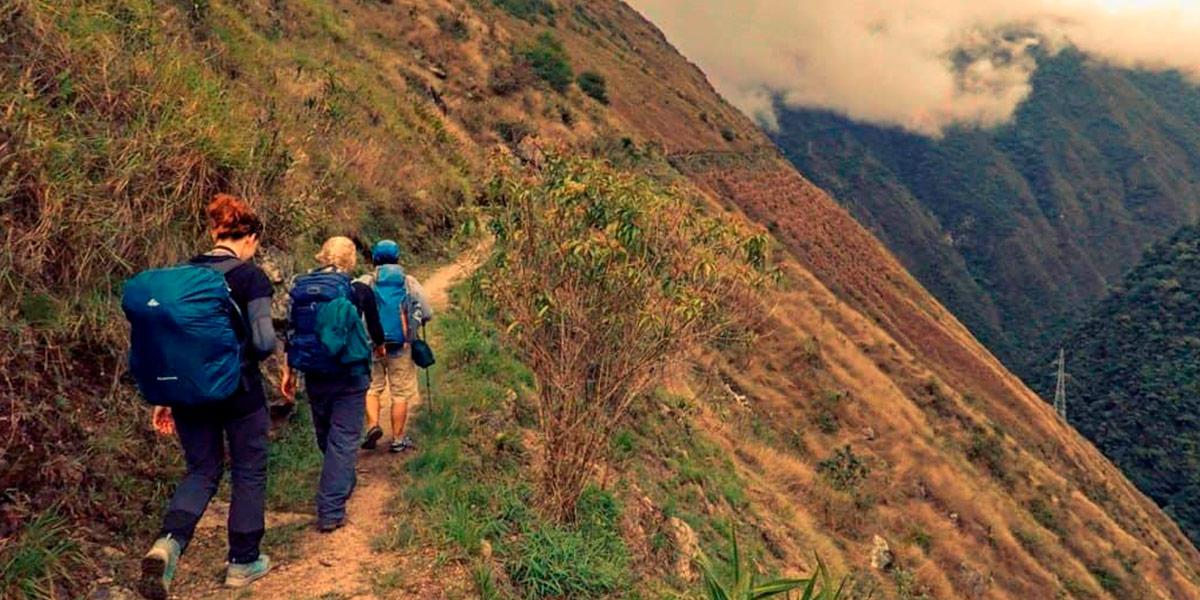
The difficulty of the trek is moderate to strenuous due to steep ascents, high altitude, and long days of walking. The most challenging section is ascending Dead Woman’s Pass, where the thin air and steep stone steps test your endurance. However, the psychological reward of conquering this pass is unparalleled.
The 4-Day Itinerary Breakdown
To fully grasp the scope of the challenge, you must understand how the distance is divided. The pacing is carefully designed by local operators to maximize acclimatization while ensuring you reach the campsites before nightfall.
Day 1: The Valley Approach (Km 82 to Wayllabamba)
The journey begins at Km 82, the official control point near Ollantaytambo. The first day is considered the easiest, serving as a “warm-up” day. You will cover approximately 12 kilometers (7.5 miles) over relatively flat terrain, following the Vilcanota River. Along the way, you will encounter the first major archaeological site: Llactapata. The day concludes at the Wayllabamba campsite (3,000 m / 9,842 ft).
Day 2: The Ultimate Test (Wayllabamba to Pacaymayo)
Day two is notorious. You will face a relentless, steep ascent through the cloud forest to reach Warmiwañusca (Dead Woman’s Pass) at 4,215 meters (13,828 ft). The altitude makes every step feel twice as hard. The landscape shifts dramatically from lush vegetation to barren alpine tundra. After reaching the summit, you descend sharply to the Pacaymayo valley campsite (3,600 m / 11,811 ft).
Day 3: The Cloud Forest and Ruins (Pacaymayo to Wiñay Wayna)
Often considered the most beautiful day of the trek, Day 3 covers 16 kilometers (10 miles) and crosses two smaller passes: Runkurakay and Phuyupatamarca. This section of the trail is rich in archaeological significance. You will walk on originally paved Inca stones, passing through tunnels and dense cloud forests teeming with orchids and hummingbirds. The day ends at the spectacular Wiñay Wayna campsite (2,680 m / 8,792 ft).
Day 4: The Sun Gate and Machu Picchu
The final day starts before dawn. You will hike the last few kilometers in the dark to reach Inti Punku (The Sun Gate) just as the morning mist begins to clear over Machu Picchu. The descent into the citadel offers the classic, iconic view of the ruins before the crowds from the train arrive.
Logistical challenges and altitude acclimation
Acclimatizing to the thin mountain air is the most important step to prevent altitude sickness. Headaches and nausea can affect any hiker, regardless of fitness level, if elevation is gained too quickly.
🧭 LOCAL EXPERT TIP ON ACCLIMATIZATION:Before heading to the official control point at Km 82, rest in Cusco for at least two days. You can use the collective taxi stand on Pavitos Street in Ollantaytambo to reach the valley and spend quiet days adjusting to the elevation.
Using trekking poles with rubber tips is highly recommended to protect the ancient stones and reduce the impact on your knees during the steep descents. High-altitude passes demand slow, steady breathing and consistent hydration. Drinking coca tea, a traditional Andean remedy, can significantly alleviate mild symptoms of altitude sickness.
The ancient Inca Trail route and history
Beyond the physical effort, this mountain route hides architectural features that illustrate Incan engineering. The stone paths were designed with drainage channels to prevent erosion, keeping the trail intact for centuries. The Incas did not just build a path; they engineered a sustainable infrastructure capable of withstanding the extreme Andean climate.
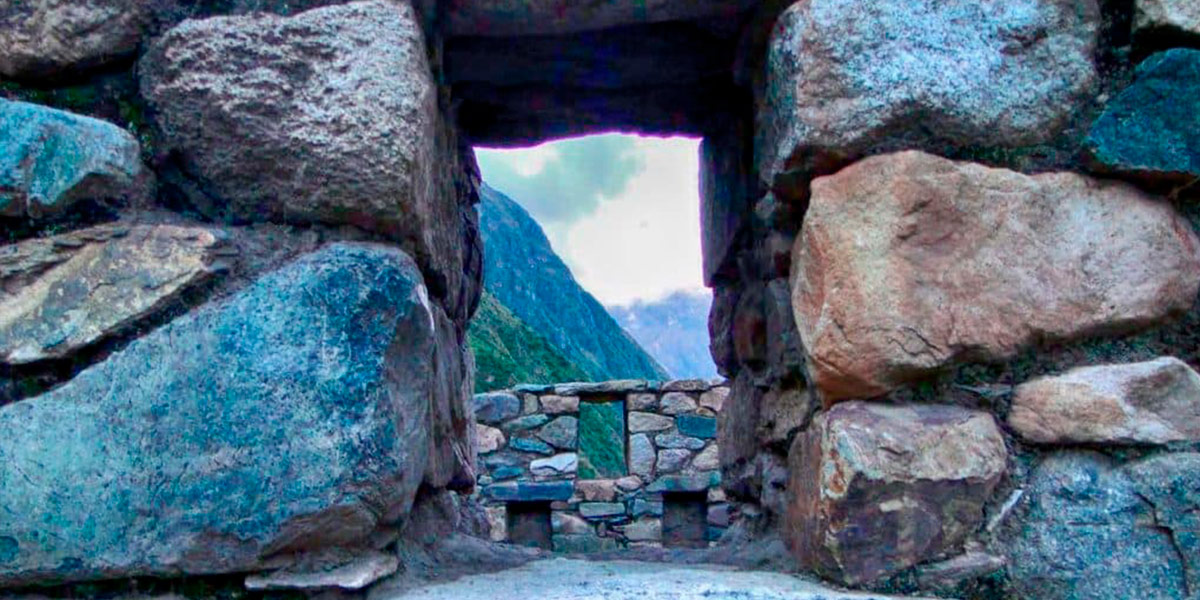
During the trek, camping near Wiñay Wayna allows hikers to view ancient agricultural terraces. At night, the clear sky far from Cusco’s city lights reveals the Milky Way, which the Incas believed mirrored the sacred Urubamba River. The cosmological significance of the trail is omnipresent; every mountain peak (Apu) and river holds spiritual weight in the Andean cosmovision.
Inca Trail vs. Salkantay Trek: Making the Choice
If you find that permits for the classic route are sold out, you might be considering alternatives. The most prominent alternative is the Salkantay Trek.
While the classic route focuses on historical ruins and original stone pathways, the Salkantay route emphasizes raw, dramatic wilderness. Salkantay reaches higher altitudes (up to 4,600 m / 15,090 ft) and does not require government permits months in advance. However, only the classic Inca Trail allows you to hike directly through the Sun Gate into Machu Picchu; Salkantay hikers enter the ruins via a bus from Aguas Calientes.
How to book permits and choose a tour
Because independent trekking is strictly prohibited, all hikers must book through a licensed tour operator. The Peruvian government regulates the number of visitors to preserve the fragile archaeological trail and ensure the welfare of the local porters.
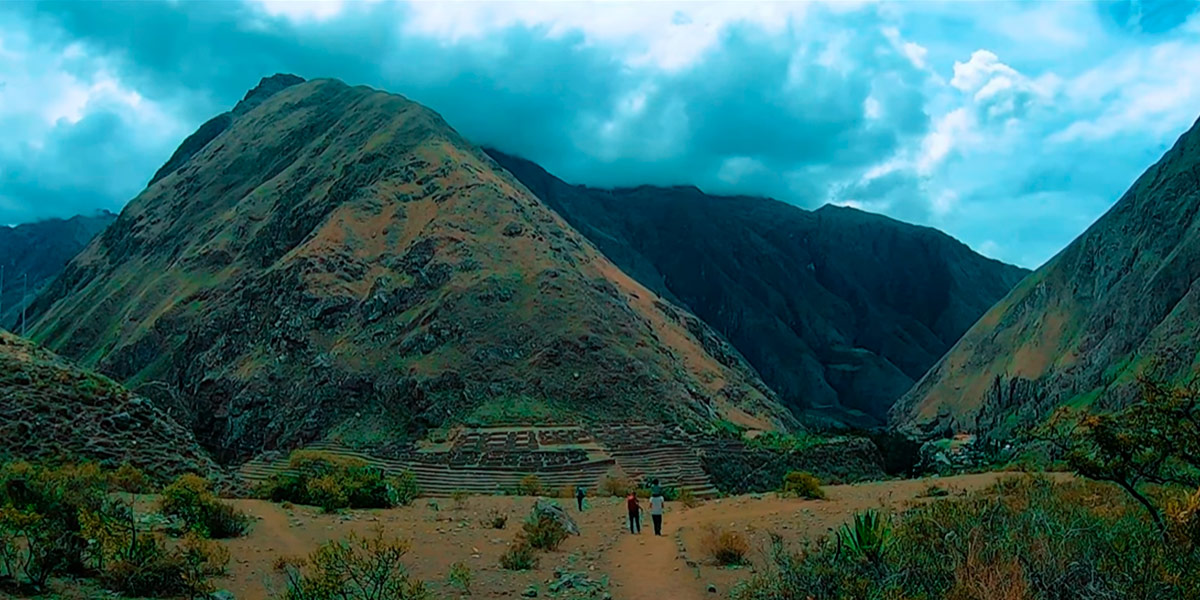
Permits are limited and strictly linked to your passport details. If you wish to secure a spot for the dry season (May to September), you must confirm your booking early.
🧭 Check permit availability: Verify official spaces with licensed agencies at least 6 months in advance. Once permits are gone, they are completely sold out; there is no waitlist.
🎟️ Provide valid documents: Your permit registration requires exact passport details. If you renew your passport before the trek, you must bring both the old and new passports to the checkpoint.
🥾 Prepare proper gear: Pack broken-in hiking boots and clothing layers for cold nights. Review our essential packing list to avoid carrying unnecessary weight.
This simple process prevents reservation issues at the trailhead checkpoints. Let’s look at the long stone path traversing the high valleys.
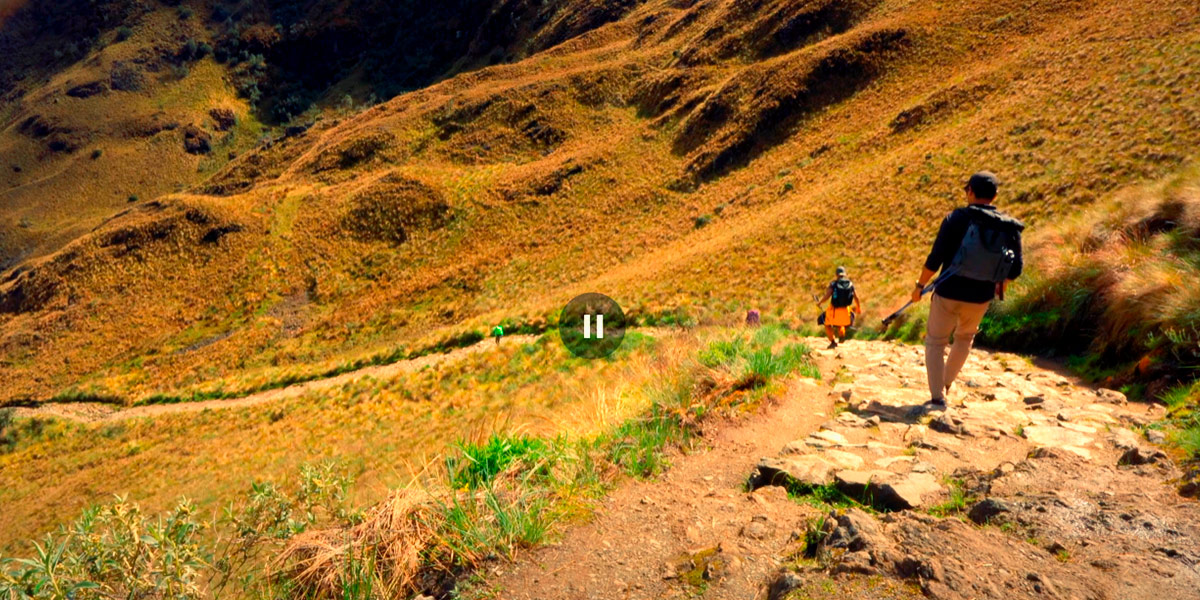
Porters and guides carry the camp equipment and food for the entire group. Ethical companies prioritize porter welfare, verifying strict weight limits at the official control point at Km 82 before starting the trek. Choosing a responsible, 100% locally-owned operator ensures that the economic benefits of tourism stay within the Andean communities.
Ready to Confront Your Present?
The high mountain passes of Peru require careful planning and licensed local guides. Secure your permits early and trek w/o stress w/ our 100% Cusco-based team.
To help you prepare your gear and logistics for the seasonal weather, we have compiled answers to common questions regarding trail operations.
Frequently Asked Questions
🤔 Can you hike the route without a guide?
No. The Peruvian government requires all trekkers to book through a licensed agency with registered guides to protect the mountain path and regulate foot traffic.
🤔 What are the typical daily hiking hours?
Hikers typically walk between 6 and 8 hours daily. Walking at a steady, slow pace prevents extreme fatigue and allows you to better manage the high altitude.
🤔 When do Inca Trail permits sell out?
For the peak dry season (May to August), permits usually sell out 5 to 6 months in advance. Permits are released by the government in October for the following calendar year.
🤔 Are there toilets and showers on the trail?
There are basic squat toilets at the official campsites. Showers are extremely limited, and only cold water is available until the final camp at Wiñay Wayna. Most trekkers rely on wet wipes or the warm washing water provided by porters each morning.
For more detailed preparation, read our comprehensive packing list guide and plan your acclimatization schedule in Cusco meticulously.


