Included:
- Hotel pickup
- Tent (2 people)
- Sleeping mats
- 3 breakfasts, 3 lunches, and 3 dinners
- Experienced official guide
- Chef and assistants
- 2 nights camping
- 1 night accommodation in Aguas Calientes town
- Entrance to Machu Picchu
- Round trip transportation (Train – Bus)
- First aid kit
Not Included:
- Water, snacks, anything else
- Sleeping bag
- Walking poles
- Bus Aguas Calientes – Machu Picchu
- Travel insurance
- Hot springs at Aguas Calientes
- Porter for carrying personal equipment (US$ 160 x 20kg)
- Breakfast on the first day lunch on the last day
- Entrance ticket to Huayna Picchu or Old Mountain (US$ 70)
1. Huayna Picchu
Huayna Picchu is the mountain behind Machu Picchu, climbable in 1 hour aprox. While optional, our guide will take you to the entry point. A ticket is required, which we can secure if booked in advance.
Tickets are aligned with your Inca Trail dates. The ticket for Huayna Picchu costs US$ 70.00 per person.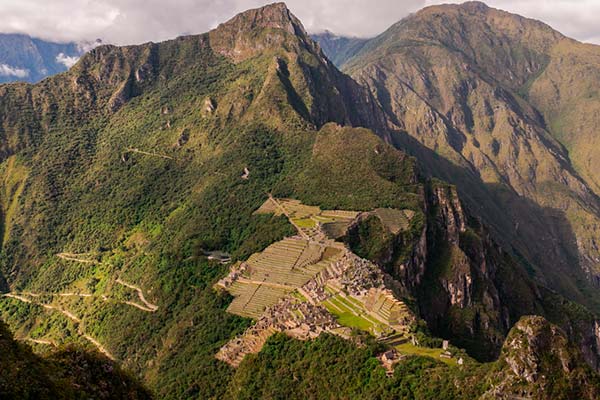
2. Montaña Vieja
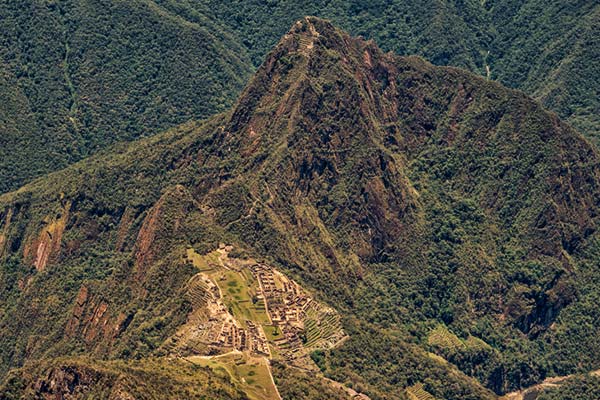
Montaña Vieja offers stunning views, even more so than Huayna Picchu, but takes 1.5 hours to reach the top. A ticket is required, which we can secure if booked in advance.
The ticket for Montaña Vieja costs US$ 70.00 per person.
3. Rental Equipment for Inca Trail
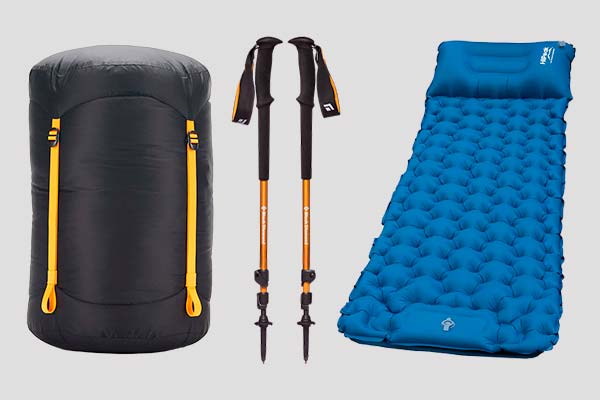
A sleeping bag is essential for camping. Our bags are mummy-style, with liners, and protect down to -18ºC (0ºF). Inflatable mattresses and walking sticks (with rubber tips) are optional but recommended.
- Sleeping bag US$ 20
- Walking poles (pair) US$ 15
- inflatable mattress US$ 15
- Valid passport
- Trekking clothes (pants, socks, short, t-shirt, jacket)
- Hiking boots or shoes (waterproof)
- Waterproof Jacket and raincoat.
- Hat, sunblock, sunglasses, insect repellent
- Flashlight, camera, batteries, chargers, power bank
- Extra money (soles)
- Personal medication
- Water bottle or CamelBak
- Sleeping bag (-20°C) and Trekking poles
- Medium trekking backpack (25 liter)
- Bathing suit and towel
Briefing (Informative Meeting)
Join us for a 30-45 minute briefing the evening before your tour at our Cusco office or your hotel. If you can’t make it, please coordinate a different time via email, phone, or in person.
Payment Balance
Please settle any outstanding balance 1 day before your trek to confirm your reservation. Cash payments in USD or Soles are preferred and can be made at our office or during the briefing. ATMs are available nearby. Credit/debit cards or PayPal are accepted with a 5% service fee. Unfortunately, we don’t accept checks.
Can I store my luggage with you?
Yes, you can store your main luggage at our office or your hotel free of charge. For items you won’t need on the trek, check with your hotel—they usually offer storage. Keep valuables in the hotel safe and get a receipt for insurance purposes. For extra security, put valuables in a sealed, signed envelope.
How long should I acclimate in Cusco before the Trek?
To avoid altitude sickness, we suggest arriving in Cusco 2-3 days before your trek. Even if you’ve been at high altitude elsewhere in Peru, it’s best to spend a full day in Cusco to rest and explore before your trek.