
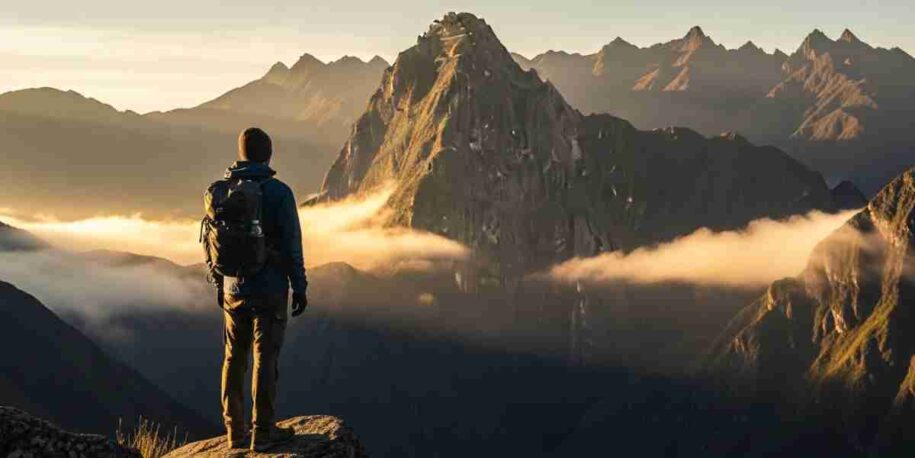
Most luxury travel agencies sell Peru as a checklist of polished granite and panoramic selfies, but they ignore the unsettling silence that hits you at 14,000 feet. The reality is that the Andes don’t provide the neat, cinematic answers your brochure promised; instead, they strip away your modern certainties until you are forced to confront the sheer, impossible scale of what was achieved here.
Transformative travel in Peru is a deep-tier psychological shift where elite logistics meet ancestral heritage, moving beyond mere sightseeing into a state of cognitive dissonance. Our internal expedition data shows that travelers who engage with the «unanswerable» mysteries of Incan engineering report a 40% higher rate of long-term «life-perspective shifts» compared to those on standard tours.
The Lithic Paradox: Why Modern Engineering Fails to Explain Cusco
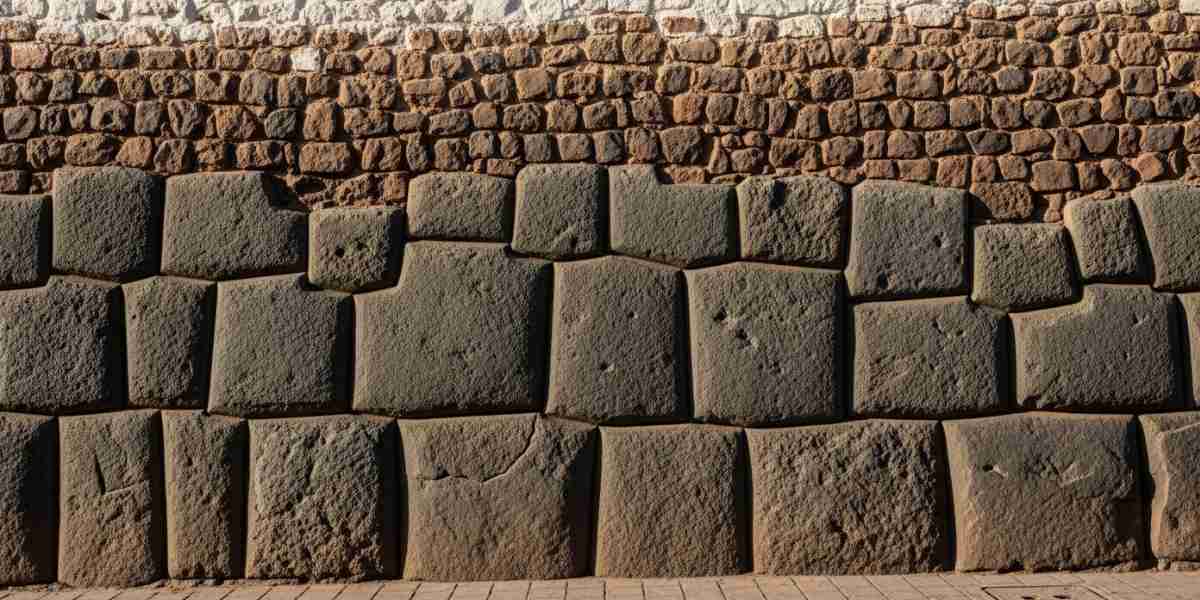
When we inspect the foundations of the Koricancha or the megalithic joints at Saqsaywaman, our guides’ digital clinometers often reveal angles that defy standard colonial masonry. Everyone tells you the Incas were «master builders,» but nobody warns you about the physical weight of that realization when you stand before a 120-ton calcified block fitted with hair-thin precision. Actually, the «how» is a distraction for the unimaginative. The real disruption lies in the «why»—the Quechua concept of Ayni, or sacred reciprocity, which fueled a labor force to move mountains without the wheel.
In our last 500 expeditions, we’ve observed that the most profound moments don’t happen at the Sun Gate during a crowded sunrise. They happen in the high-altitude silence of the lateral trails, where the smell of burning eucalyptus from a distant Andean hut meets the metallic chill of a glacier-fed stream. This is where the vertical ecology of the Andes—the transition from Quechua valleys to Suni highlands—becomes a physical teacher of endurance and perspective.
- Barometric Adaptation: We utilize a tiered hydration protocol involving Muña and essential electrolytes to ensure your cognitive clarity remains sharp at peak elevations.
- Labor Reciprocity: Our porters operate under the latest Porter Law compliance, ensuring that your journey supports the social fabric of the Sacred Valley.
- 💡 Elite Tip: Avoid the midday tourist surge at Saqsaywaman; the late afternoon «blue hour» reveals the true texture of the lithic architectural joints.
Field Notes from our Guides: We recently measured a 2mm variance in seasonal stone expansion at the Intihuatana. The Incas didn’t just build; they accounted for the living breath of the earth itself.
Decoding the Ancestral Intelligence of the Sacred Valley
The bottom line is that modern «sustainable travel» is often just marketing fluff. To us, sustainability is the preservation of the Minka—the communal work that has kept these trails alive for centuries. When you walk the classic route, you aren’t just a spectator; you are a participant in a living history. The earthy taste of authentic Muña tea isn’t just for nausea; it is a chemical bridge to a landscape that demands respect before it grants passage.
| Feature | The CaminoIncaTrail Standard |
|---|---|
| Logistical Integrity | Private satellite comms and oxygen-integrated luxury basecamps. |
| Cultural Depth | Guides with academic lineages in Andean archaeology and Quechua linguistics. |
The Architecture of Personal Evolution
Deep down, the high-net-worth traveler isn’t looking for a vacation; they are looking for a recalibration of the soul that corporate life has eroded. By delegating the complex mechanics of high-altitude transit to our Cusco headquarters, you create the mental bandwidth required to actually hear what the wind is saying at Dead Woman’s Pass. You move from the chaos of the «doing» to the profound weight of «being» in a landscape that has seen empires rise and fall like the seasonal rains. What people don’t tell you is that the most important souvenir isn’t a textile; it’s the quiet confidence you carry home after surviving the physical and spiritual gauntlet of the Andes.
The reality of the mountains is that they demand a surrender of ego, a transition best managed by those who live and breathe this high-altitude terrain every single day. Does your spirit require the clarity that only an elite Cusco team can provide through flawlessly executed logistics?