

⚓ Conditioning your body with a solid Inca Trail training plan determines how well you adapt to the steep stone paths and the high elevations on your climb to Machu Picchu. Preparing for the physical demands of altitude and terrain allows you to focus on the vistas of the high peaks rather than the strain on your legs.
Preparing for the classic Inca Trail is one of the most important decisions you will make when organizing your expedition to Peru. Walking on these trails is not a typical hike; it is a physical effort that winds through steep Andean passes and ancient stone pathways constructed centuries ago. Conditioned muscles and cardiovascular endurance are the factors that determine your safety and enjoyment. As Cusco-based guides, we see the difference preparation makes every day on the route.
This practical 4-week training plan is designed to help you build the strength and stamina needed to reach the Sun Gate with confidence. Conditioned preparation allows your body to adapt safely, letting your spirit fully absorb the beauty of the lost city.
Essential pillars of physical conditioning for the trail
Before reviewing the weekly schedule, it is important to understand the three distinct pillars of your training. Effective preparation for the high altitude is not just about walking; it is a structured physical conditioning process.
- Cardiovascular Endurance: The trail involves long hours of hiking, with sustained ascents and descents. A strong respiratory system and heart are the foundation of your trekking capacity.
- Targeted Strength Training: Your legs will carry you up thousands of stone steps, and a strong core keeps you stable on uneven stone paving. Muscle strength reduces joint strain and prevents injury.
- Acclimatization Simulation: While you cannot perfectly replicate the high-altitude environment of the Andes, proper ascent pacing is critical. You can learn more about how to adapt in our guide to altitude acclimatization to prevent mountain sickness before starting your trek.
Your four-week countdown to the trek
Week 1 and the structural foundation
The goal this week is to establish a consistent physical routine. Focus on low-impact movement to awaken your muscles and prepare your joints for increased weight resistance.
- Cardio: Complete 3 sessions of 30-45 minutes. This can include brisk walking, cycling, or using an elliptical machine at a conversational pace.
- Strength: Complete 2 full-body workouts. Focus on compound movements:
- Squats: 3 sets of 10-12 repetitions.
- Lunges: 3 sets of 10-12 repetitions per leg.
- Planks: 3 sets, holding for 30-45 seconds.
- Push-ups: 3 sets to a comfortable limit.
- Hike: Complete one long walk of 60-90 minutes on rolling terrain. Wear the hiking boots you plan to use in Peru to start breaking them in. Selecting the right footwear is essential to avoid painful blisters on the ancient stone paths, so you should review the essential gear list before your training hikes.
Week 2 and additional weight resistance
Now we build on the base you have created. The focus shifts to increasing your workout duration and adding resistance elements to simulate carrying a load.
- Cardio: Increase to 3-4 sessions. Complete 2 steady-state sessions of 45 minutes. Introduce 1 interval session: warm up for 10 minutes, then alternate 2 minutes of high effort with 2 minutes of recovery, for 20-25 minutes. This interval training improves your lung capacity, which is essential when trekking in low-oxygen environments. For a detailed physiological breakdown, you can read the altitude training research from expert guides.
- Strength: Complete 2 workouts. Add light weights to your squats and lunges to increase resistance:
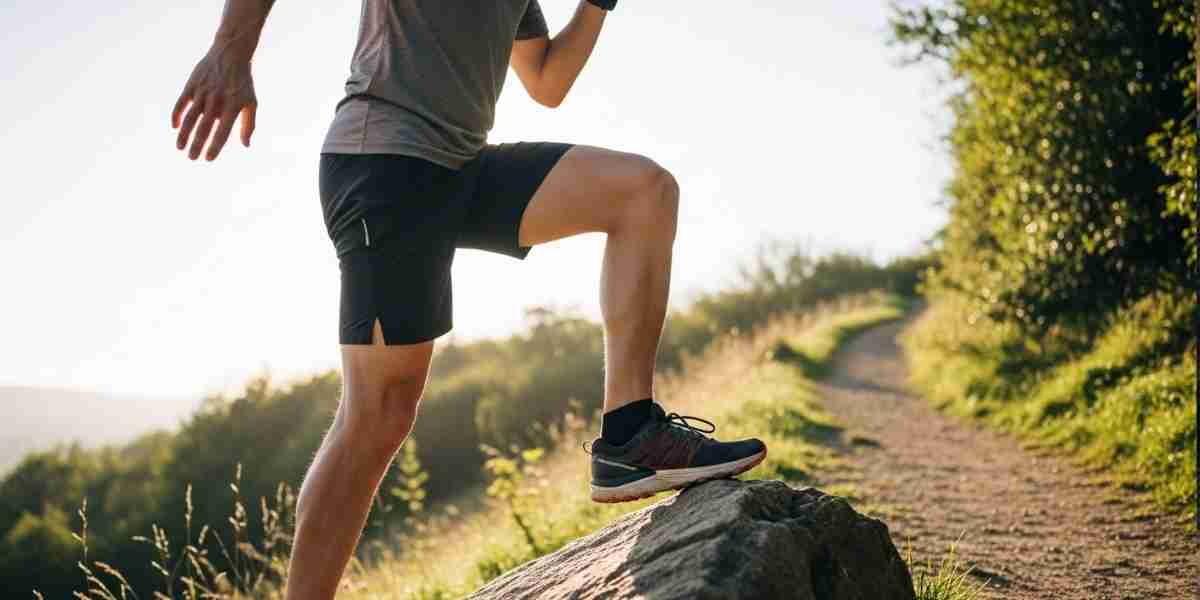
- Step-ups (on a bench or sturdy platform): 3 sets of 15 repetitions per leg.
- Calf Raises: 3 sets of 20 repetitions.
- Back Rows (using dumbbells or resistance bands): 3 sets of 12 repetitions.
- Hike: Complete a longer hike of 2-3 hours. Find a route with hills or steps. Pack a daypack with approximately 5 kg / 11 lbs of weight to simulate carrying your water, layers, and rain gear. For those traveling from Cusco, catching a transport at the collective taxi stand on Pavitos Street to Ollantaytambo is the standard route, and starting your hikes with similar elevation shifts prepares you for the mountain trails.
To visualize the physical shifts of the route, our guides recommend incorporating specific exercises that target your balance and stability.
Week 3 and high-altitude simulation
This is your highest intensity training week. The workouts are designed to challenge your endurance and simulate the most physically demanding sections, such as the ascent to Dead Woman’s Pass at 4,215 m / 13,828 ft.
- Cardio: Maintain 3-4 sessions. Extend your steady-state sessions to 60 minutes. Your interval workout should involve steeper inclines or faster intervals.
- Strength: Focus on muscular endurance:
- Reduce weight slightly and increase squats and lunges to 15-20 repetitions per set.
- Add single-leg exercises like deadlifts to improve stability on uneven stone surfaces.
- Increase your plank hold times to build a solid core.
- Hike: This is the key workout of the plan. Complete a 4-5 hour hike carrying a daypack loaded with 6-7 kg / 13-15 lbs. Find a trail with continuous climbs and descents to prepare your joints.
Our team on the ground highlights the importance of safety during these long preparation hikes. If you experience persistent joint pain, reduce the pack weight immediately.
🧭 LOCAL GUIDE ADVICE FOR STEP PREPARATION:The Classic Inca Trail is not a flat dirt path; it is a relentless staircase of thousands of uneven stone steps built by the Incas. Standard walking on flat ground will not prepare your knee joints and quadriceps. Focus your workouts on steps, stairs, and descents, as coming down the steep steps is what causes the most muscle strain.
Why your physical focus makes the Inca Trail training plan succeed
As you progress, mental preparation becomes as important as physical conditioning. Visualizing the terrain and practicing with your equipment builds confidence. Use your long hikes to verify that your hiking boots fit comfortably and that your daypack is adjusted correctly to prevent chafing.
Week 4 and muscle recovery before the trek
You must arrive in Cusco feeling rested and strong. This week focuses on recovery to allow your muscles to rebuild and store energy for the climb.
- Cardio: Reduce to 2-3 light sessions of 30 minutes each at a relaxed pace.
- Strength: Complete 1 light session using bodyweight exercises only at the start of the week. Avoid heavy weights.
- Hike: Complete one short, easy walk of 60 minutes without carrying a heavy daypack.
- Rest: Prioritize quality sleep, hydration, and nutrition. Spend time stretching to keep your muscles loose.
Your preparation begins today
Physical conditioning is a personal process. Listen to your body, adjust the repetitions when necessary, and remember that every workout you complete makes your time in the Andes safer and more enjoyable. The effort you put in now transforms the physical challenge into a reward when you finally step through the Sun Gate.
Ready to Confront Your Present?
Experience the definitive historical pilgrimage along the stone-paved paths of the Incas. Let our Cusco-based guides lead you safely to Machu Picchu.
To help you prepare further, we have compiled the answers to the most common questions regarding training logistics and altitude safety.
Frequently Asked Questions
🤔 Can I hike the Inca Trail without training?
While people with average fitness can complete the trek, training is highly recommended. The steep stone steps, particularly on the climb to Dead Woman’s Pass at 4,215 m / 13,828 ft, put significant strain on your knees and lungs. Conditioning your body makes the experience much more enjoyable.
🧭 How do I prepare my lungs for the high altitude?
You cannot fully simulate high altitude at sea level, but cardiovascular interval training helps improve your lung capacity. Additionally, spending at least 2 to 3 days in Cusco before starting the trek is essential to allow your body to naturally acclimatize to the elevation.


