

⚓ Choosing an ethical local operator for your trek helps implement real sustainable tourism in Peru, converting your presence from a footprint into a direct support system for Andean communities. Making responsible choices ensures that the people and places you visit are respected and protected.
The word “sustainable” is common in modern travel. It appears on websites, in brochures, and in guides describing mountain locations. However, after years of guiding travelers through the Andes, we have learned that claims and actual practices are two very different things. Experienced travelers recognize this difference. You have likely seen green initiatives that feel more like marketing than operational policy. This is the challenge of greenwashing, and it remains a common practice in the travel industry.
This article goes beyond vague promises. We want to show you the operational reality. This is our actionable plan to secure responsible conservation, built on daily choices that support the local families who make this region unique.
The true scope of conservation on the trail
True conservation on a trek is not limited to carrying out your trash, which is a basic requirement. It is a much deeper human responsibility. It requires tour operators to answer important questions: Who benefits financially from your presence? Is the local culture respected, or is it simply sold? Are the support staff treated with the dignity they deserve?
We address these concerns through three core operational practices that form the basis of every expedition we organize.
Why real sustainable tourism in Peru must begin with porter welfare
The porters are the physical foundation of any trek to Machu Picchu. They carry the heavy gear and establish the camps ahead of your arrival. For decades, the industry standard for their treatment was highly inadequate. A genuine commitment to responsible travel must start with their welfare.
It is not enough to simply follow the basic porter regulations. We implement the following standards for our team:
- Fair and living wages: We pay our porters directly and promptly, exceeding the legal minimum rate. This guarantees that their physical labor translates into real support for their families.
- Proper gear and warm sleeping spaces: We provide high-quality boots, warm sleeping bags, and the same nutritious, high-energy meals prepared by our trail chefs that our clients enjoy.
- Strict weight limits: We enforce the legal limit of 20 kg / 44 lbs per porter without exception. There is no compromise on their health.
- Healthcare coverage: We provide medical insurance for our entire field staff, offering a safety net that is rare in the regional industry.
This care is not a charity; it represents Ayni, the ancient Andean concept of mutual reciprocity. It is a shared responsibility. We support our team, and they secure a safe and enriching environment for you.
🧭 LOCAL GUIDE ADVICE ON PORTER WELFARE:When selecting a tour operator in Cusco, ask this direct question: “Can you tell me the name of your head porter and how many seasons he has worked with your agency?” A company that maintains a permanent, well-cared-for crew will answer immediately. An operator that hires temporary staff at the lowest rates will not have this information.
The economic ripple of investing in small-scale Cusco suppliers
Understanding where your travel investment goes is essential when booking a trip. Often, tourism revenue leaves the host country and bypasses the very communities that host the visitors. We focus on keeping economic benefits within the local communities.
We prioritize local purchasing to support small-scale family suppliers near the San Pedro Market in Cusco and local markets in Ollantaytambo. This includes sourcing fresh quinoa, native potatoes, and vegetables directly from Andean farming families. Additionally, many of our adventure guides and camp staff are hired directly from the villages along the Lares Trek, ensuring they share their cultural heritage as certified local experts. We also reject the commission model, meaning our guides do not receive kickbacks or pressure you to shop at specific souvenir stores.
By purchasing food and transport directly from local families, we ensure your travel budget supports Cusco’s micro-economy.
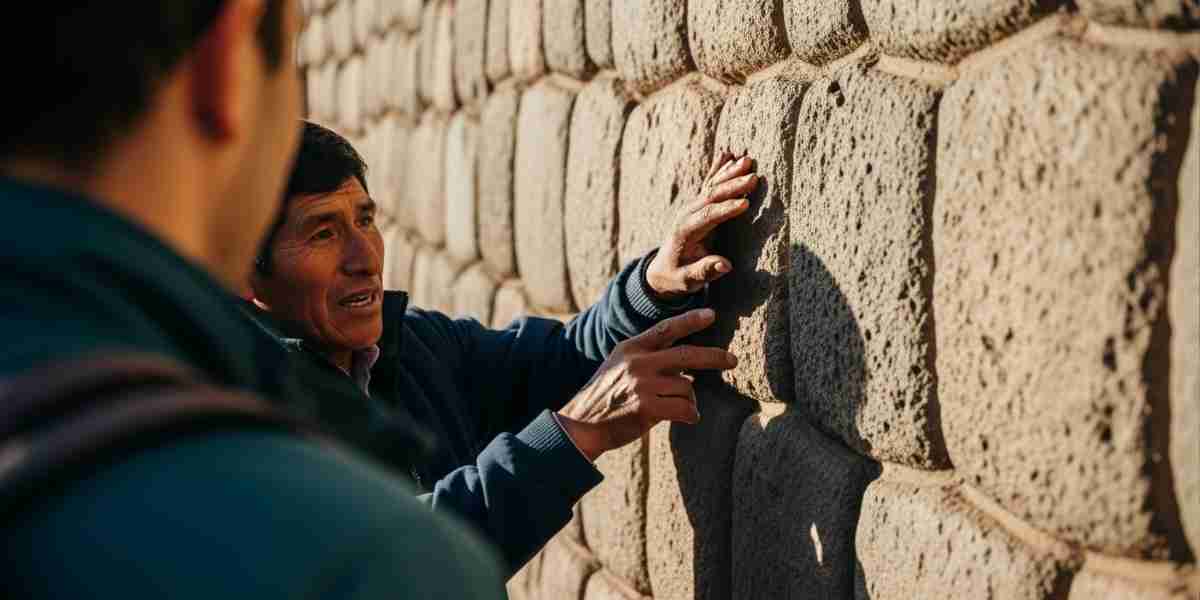
The environmental protocol of active preservation on the trail
The Andes are a fragile mountain environment. The Leave No Trace policy is not a marketing slogan; it is a strict guide for our daily field operations. True environmental care means leaving every camp as clean as if no one had ever visited.
Our daily trail guidelines include strict waste management, packing out all refuse, including organic waste, to prevent soil contamination. We eliminate single-use plastics by providing purified, boiled drinking water at every meal so you can refill your reusable flasks. We also instruct our groups to stay strictly on the designated paths to prevent soil erosion and maintain a respectful distance from the archaeological sites.
Following these daily practices ensures that the ancient stone structures and mountain habitats remain undisturbed.
How to identify a genuinely responsible local agency
Knowing the reality of field operations allows you to make informed decisions. Combating greenwashing begins by asking direct questions before booking. Genuinely responsible operators will share their policies and employment standards transparently. If an agency provides vague or evasive answers about their porter wages or waste practices, it is a clear warning sign.
Field action instead of simple policy guidelines
Choosing an ethical trek does not mean sacrificing safety or quality. It enhances your experience. It separates a standard vacation from a trek that supports the region. Knowing that your presence contributes to the well-being of the local families and the preservation of the trails adds a deeper purpose to your adventure in Peru.
A Note on Responsible Exploration
Designing a responsible trek through the Andes requires detailed logistics on the ground in Cusco. If you wish to hike these routes with a real focus on conservation and respect, you can contact our certified guide team to design a custom itinerary.
To help you understand how ethical travel standards are implemented, we have answered the most common questions about sustainability rules in the region.
Frequently Asked Questions
🤔 How do weight limits protect the porters?
The Peruvian government enforces a maximum limit of 20 kg / 44 lbs per porter. Enforcing this limit prevents chronic back injuries and physical exhaustion. Responsible operators use scales at the trailhead to weigh all packs before starting the hike.
🧭 Why is buying from local markets important?
Buying fresh produce from local markets ensures that the financial benefits of tourism go directly to small farmers and small-scale merchants, rather than foreign supply chains. This supports community development and sustainable agriculture in the region.


