

Preparing for your trip with local tips for your Peruvian adventure helps you prevent altitude sickness, pack the correct gear, and book certified guides in Cusco. These guidelines help you organize a safe high-altitude experience through the Andes.
Peru is a destination that combines archaeological history with diverse natural environments. From the high mountain passes near Machu Picchu to the green rivers of the Amazon rainforest, travelers can experience ancient cultures and dramatic mountain ranges. Working with a licensed guide helps you navigate the high elevations safely while learning about the region.
Why choose Peru for your next trek?
Traveling in the Andes requires proper logistics and preparation. Whether you walk the classic stone paths or visit the local communities in the Sacred Valley, these key recommendations prevent common travel mistakes.
- Acclimatize first: Spend at least two days in Cusco before starting any high-altitude trek.
- Pack layers: Bring clothing suitable for both hot humid days and freezing mountain nights
- Stay hydrated: Drink water constantly and use a reliable filtration method.
- Protect your feet: Use toe sock liners to prevent blisters during long walking days
- Respect the guides: Cooperate with your crew and support ethical porter practices.
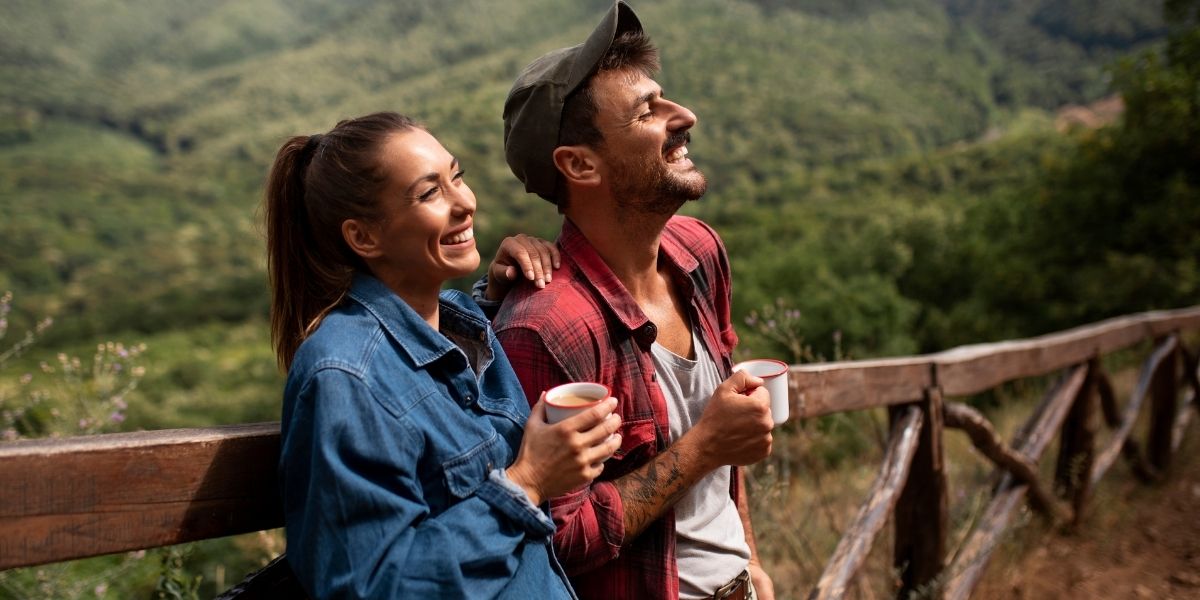
This checklist helps you avoid health issues and enjoy the diverse altitudes. Let’s look at the Andean valley scenery below before we pack our gear.
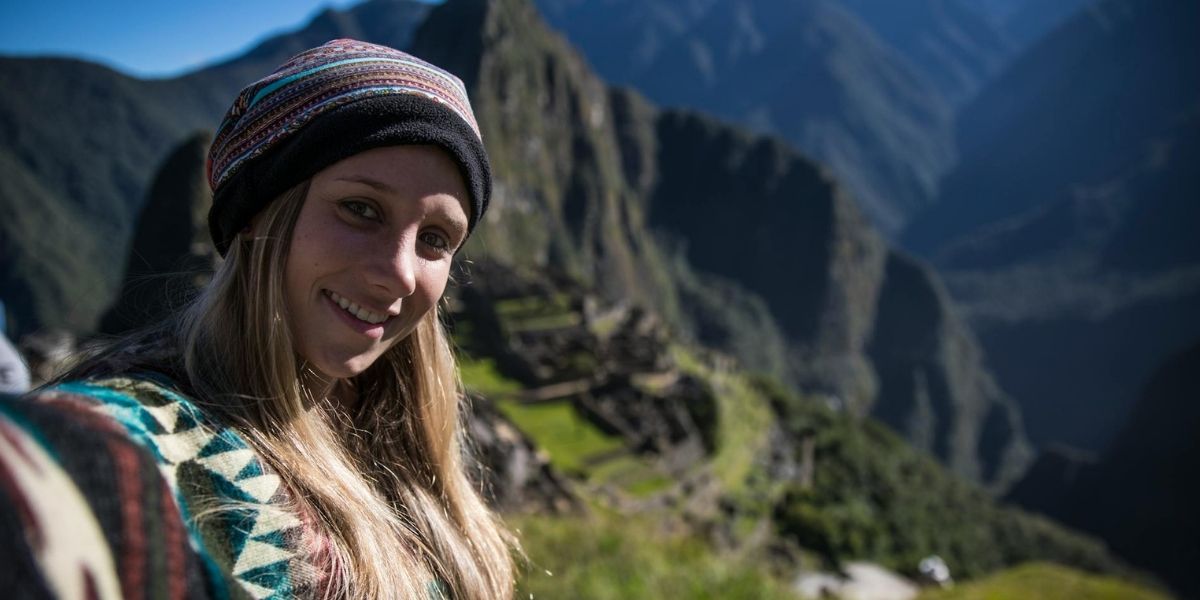
Machu Picchu is situated at 2,430 m / 7,972 ft, but the trail leading to it goes much higher. Preparing your body for the physical demands of high elevations is essential for a safe trek.
Essential tips for your Peruvian adventure on the trail
Our Cusco guide office has compiled specific guidelines based on years of leading groups along the mountain routes. These practical tips help you prepare for the unique weather and high-altitude conditions.
How to pack light and travel smart
The weather in the Andes can change quickly from warm sun to freezing rain. Hikers must pack lightweight, three-season layers that can be worn together to adjust to the temperature.
🧭 LOCAL GUIDE PACKING RECOMMENDATION:Store your rain jacket at the top of your pack for quick access. You can purchase local alpaca sweaters at the San Pedro Market in Cusco for a lightweight and warm insulation layer.
Avoid carrying heavy items that you do not need on the trail. Ethical operators monitor pack weight limits at the trailhead checkpoints to protect porter safety.
How to prepare for sudden rain and safety
Rain falls regularly in the cloud forests, even during the dry season. A lightweight waterproof shell with underarm ventilation is necessary to keep you dry and prevent hypothermia during cold nights.
Using a pack cover and packing your clothing inside waterproof dry bags keeps your sleep layer dry. A lightweight hiking umbrella is also useful for rain and sun protection.
How to protect your feet on rugged trails
The ancient stone pathways have uneven surfaces that can cause soreness. Treat blisters immediately by applying medical tape or blister pads at the first sign of a hotspot.
👟 Wear broken-in boots: Never start a multi-day trek with brand-new footwear.
🧦 Bring spare socks: Change into dry socks at lunch to keep your feet dry.
⛰️ Use trekking poles: Poles reduce the physical strain on your knees during steep descents.
Following these steps helps you walk comfortably to the Sun Gate. Let’s see how to handle drinking water along the route.
How to stay hydrated at high altitudes
Dehydration increases the risk of altitude sickness and headaches. Hikers should drink at least three liters of water daily to maintain energy levels.
Always filter water from mountain streams using a reliable squeeze filter or purification tablets. Avoid drinking untreated water to prevent stomach issues that could interrupt your trek.
How to book permits and secure your tour
The Peruvian government regulates trail access by requiring permits that must be purchased through a registered agency. These permits are strictly limited and sell out months in advance for the peak dry season.
Ready to Confront Your Present?
The high mountain passes of Peru require careful planning and licensed local guides. Secure your permits early and trek with our 100% Cusco-based team.
You can use the collective taxi stand on Pavitos Street in Ollantaytambo to travel from Cusco to the trailhead. Our guides recommend preparing your bookings six months ahead.
Frequently Asked Questions
🤔 Is altitude sickness common on these routes?
Yes, many hikers feel the elevation. Spending two days resting in Cusco before walking is the best way to prevent issues.
🧭 Do you need a permit to visit Machu Picchu?
Yes, entry tickets are strictly regulated. You must book your permits early through a licensed operator to secure your entry date.
For more detailed preparation, read our comprehensive packing list guide and plan your acclimatization schedule in Cusco.


