

⚓ Booking with a licensed local operator in Cusco protects you from the most common mistakes to avoid when booking a Peru trek, securing fair porter treatment and reliable trail support. Selecting the right team protects your investment and guarantees that high-altitude safety guidelines are respected.
The allure of Peru’s Andean landscapes is powerful. The thought of walking ancient paths, witnessing vast mountain vistas, and standing at the Sun Gate as Machu Picchu reveals itself is a dream for many hikers. However, between that dream and the reality of a successful expedition lies an important decision: selecting the team that will guide you. Making the right choice is essential, as understanding these booking pitfalls can prevent unexpected setbacks during your time in the Andes.
The sheer number of tour companies online can feel overwhelming, with prices and promises that vary wildly. An incorrect decision can lead to safety issues, hidden costs, and a shallow experience that misses the cultural and natural richness of Cusco. Let’s walk through the most common pitfalls so you can navigate your booking process with confidence and clarity.
The main mistakes to avoid when booking a Peru trek
To secure a safe and ethical experience, it helps to understand where other travelers have run into issues. Below are the five primary booking errors to watch out for before paying your deposit.
Mistake 1 – Budget choices and hidden costs
It is tempting to search for the lowest price when browsing agencies. However, in the world of high-altitude trekking in Cusco, the cheapest options usually indicate that the operator is cutting corners on essential services.
- Unfair staff treatment: Agencies that charge extremely low rates often pay their porters and guides below the legal minimum wage. They may also skimp on providing proper sleeping bags, warm tents, or nutritional meals for their staff on the trail.
- Substandard equipment: Cheaper tours often use worn tents, damaged sleeping pads, and outdated emergency gear. This can compromise your safety and comfort during heavy Andean rain or freezing night temperatures.
- Hidden surcharges: A low upfront price may not include park entrance tickets, return train fares from Aguas Calientes, or bus transfers. You might end up paying significantly more on the trail than you would have with an all-inclusive agency.
Investing in a reputable Cusco agency guarantees that your funds support fair porter treatment and high-quality logistics. This investment directly impacts the safety and success of your trek.
A Note on Booking Security
Securing a regulated permit for the classic route requires direct coordination with local authorities in Cusco. If you wish to hike with our certified team of guides and camp professionals, you can contact us to set up a personalized itinerary.
Beyond the price, reviewing the exact daily schedule of the itinerary is the next critical step in selecting a reliable trekking operator.
Mistake 2 – Incomplete or vague itineraries
A brief outline that only mentions the final destination is a major warning sign. High-altitude routes in Peru require detailed logistical coordination to prevent altitude-related illnesses and physical exhaustion.
- Acclimatization plans: Your itinerary must specify how many days you will spend resting in Cusco before starting the trek. Skipping acclimatization is a dangerous error when ascending to passes above 4,000 m / 13,123 ft.
- Daily profile data: The documentation should clearly show daily hiking distances, expected walking hours, and maximum elevation gains. A typical day involves walking 10 km to 15 km / 6.2 miles to 9.3 miles on steep stone paths.
- Inclusion details: The operator must list every service included in the price. Confirm if sleeping pads, hot water for washing, porter carry allowances, and return transport are covered in your contract.
Having a detailed itinerary allows you to prepare physically and mentally for the daily elevation changes on the trail.
🧭 LOCAL GUIDE ADVICE ON CHOOSING AN AGENCY:Always verify if the agency operates its own treks or acts as a broker. Ask them directly if they share groups with other companies. Direct operators have their own equipment and guides, guaranteeing a higher standard of service and safety.
Understanding the agency’s operational structure also helps you evaluate their compliance with local regulations and community welfare programs.
Mistake 3 – Unlicensed agencies and poor porter welfare
Not all companies marketing hikes online are licensed operators. Many are online agencies that collect bookings and sell them to local budget operators. This practice makes it impossible to guarantee safety standards or fair working conditions for the trail crew.
- Official licensing: The Peruvian government strictly regulates operators on the classic trail. Licensed agencies must have a physical office registered in Cusco, typically on main streets like Avenida Pardo or Avenida El Sol.
- Porter weight limits: The legal load limit for a porter is 20 kg / 44 lbs. Responsible agencies use weighing scales at the initial control point near Plaza Tupac Amaru to ensure no porter carries excessive weight.
- Community investment: Ethical agencies hire guides, chefs, and porters directly from local communities, ensuring that tourism benefits remain in the region. Selecting a local Cusco team supports the regional economy, especialy when agencies buy fresh produce directly from family-run stalls.
Confirming that your booking supports licensed operators and ethical porter treatment is key to preserving the cultural heritage of the Cusco region.
Mistake 4 – Delayed reservations for the classic route
The government limits classic trail permits to 500 per day to protect the historic path. Since more than half of these permits are allocated to support staff, tourist spots sell out quickly. Waiting to book until you arrive in Cusco is a common error.
- High season booking: For the dry season from May to September, you should secure your permits six to eight months in advance. Spots for June and July often sell out as soon as permits are released.
- Shoulder season booking: For shoulder months like April and October, booking four to five months ahead is recomended. Attempting to book a last-minute permit is rarely successful.
Planning ahead guarantees that you secure your preferred trekking dates and allows you to build a structured training plan before departure.
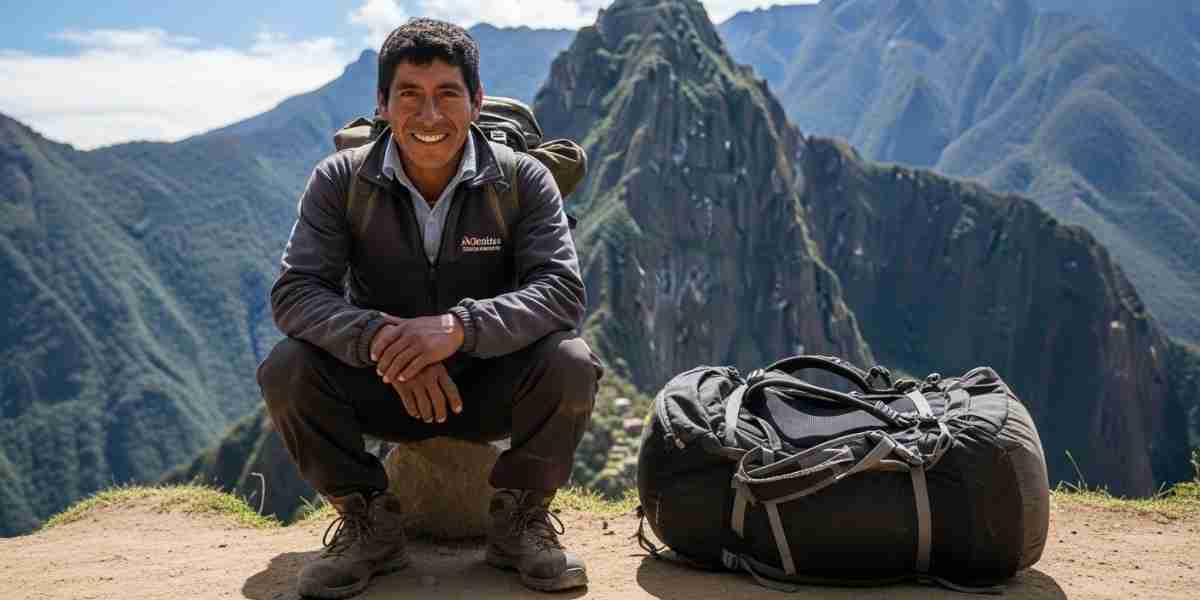
After securing your permit, the next step is choosing the right communication channel with your direct operator.
Mistake 5 – Third-party travel agencies and marketplaces
Booking portals that aggregate hundreds of different tours can be helpful for comparing prices. However, they act as intermediaries, which adds a layer of separation between you and the guide team who will lead you on the trail.
- Lack of direct contact: When you book through a large marketplace, you cannot communicate directly with the local operator. This makes it difficult to coordinate food preferences, medical conditions, or equipment rentals.
- Vague accountability: If an emergency occurs, booking portals may refer you to their terms and conditions, rather than providing direct local assistance on the ground in Cusco.
Establishing direct contact with your local operator guarantees that your high-altitude safety requirements are met and all logistical details are clear.
Guidelines to select the right operator
Once you are ready to book, follow this checklist to verify the credentials and operational quality of your chosen Cusco trekking agency:
- Verify the government registration: Confirm that the agency is licensed by MINCETUR and has an active office in Cusco.
- Check recent traveler feedback: Search independent platforms for detailed reviews about safety standards, guide quality, and campsite food.
- Ask about porter wages: Ask the operator directly about their employment policies and porter weight controls.
- Confirm all-inclusive inclusions: Request a written list of exactly what is included in the tour price.
Taking these steps helps you select a reliable guide partner who will support your acclimatization and safety throughout the trek.
Detailed preparation for the classic trail
Preparing for a trek in the Andes involves more than just selecting a licensed agency. For hikers ready to start their preparation, reading a comprehensive guide to hiking to Machu Picchu is highly beneficial. You can review our advice on acclimatization and training schedules to guarantee you are ready for the high elevation passes.
To help you prepare your booking, our Cusco guide team has answered the most common questions regarding agency registration and booking procedures.
Frequently Asked Questions
🤔 What is the cancellation policy for Inca Trail permits?
Inca Trail permits are strictly non-refundable and non-transferable under government regulations. If you cancel your trek, the permit fee cannot be recovered or transferred to another person or date. Reliable operators will clearly explain this policy during booking.
🧭 How do I check if a Cusco tour operator is licensed?
You can request their official license number from the Ministry of Foreign Trade and Tourism (MINCETUR). Licensed operators are registered on the official government website and have a physical office in Cusco, typically near main avenues like Avenida El Sol.
Selecting your Cusco trekking operator is the first and most important step of your expedition. Our team of certified guides is here to help you coordinate your logistics on the ground. If you have questions about permits, training schedules, or porter policies, you can chat with us on WhatsApp for a custom consultation.


